

Costco Shouldn’t Exist

If you built a brand using today's conventional wisdom, you wouldn't build Costco.
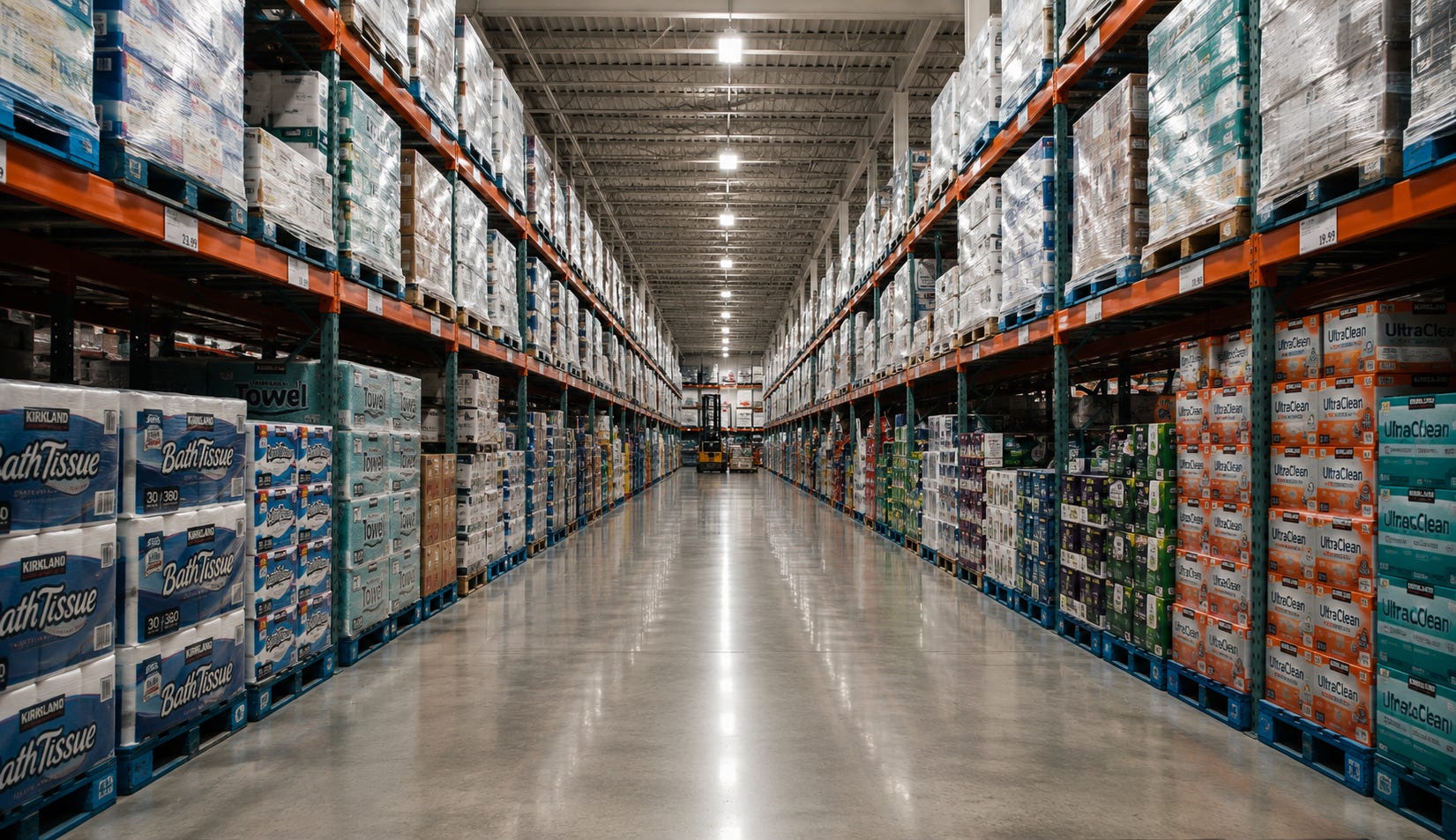
The stores aren’t beautiful.
The logo isn’t iconic.
The shopping experience is crowded.
The signage is purely functional.
There are forklifts in the aisles, pallets stacked to the ceiling, and almost no sense of theater.
If branding were mostly about perception, Costco shouldn’t work.
Instead, it’s one of the most admired, trusted, and successful companies in America.
Which raises a more interesting question.
What if we’ve been teaching branding backwards?
Modern branding has become remarkably focused on perception.
→ Purpose
→ Storytelling
→ Distinctive assets
→ Emotional connection
→ Brand experience
→ Social media
Cultural relevance.
None of those things are unimportant.
But Costco suggests they aren’t where trust begins.
Maybe branding isn’t primarily about shaping perception.
Maybe it’s about creating evidence.
Costco didn’t build its reputation through advertising.
It built it through decisions.
A cap on markups.
Membership economics.
A deliberately limited assortment.
Industry-leading employee wages.
An unusually generous return policy.
Products quietly disappearing when they no longer deserve shelf space.
None of those decisions were made to make Costco look trustworthy.
They were made to make Costco operate consistently.
Trust became the byproduct.
Costco’s operating model IS its brand strategy.
This is where branding gets interesting.
Most companies assume trust creates a better operation.
Costco suggests the opposite.
Better business creates trust.
Every decision reinforces the same promise.
“We’re trying to make a fair deal on your behalf.”
Customers may never consciously think those words.
They feel them.
Over time, those experiences accumulate.
One visit doesn’t create trust.
Hundreds of consistent decisions do.
Eventually, customers stop evaluating individual purchases.
They begin trusting the system itself.
The institution becomes the shortcut.
That’s one of the strongest competitive advantages any company can build.
Not because it’s emotional.
Because it’s cumulative.
This changes how we should think about branding.
Marketing introduces the promise.
Operations keep it.
Culture repeats it.
Governance protects it.
Brand isn’t what sits on top of the business.
Brand is what emerges from it.
You can see this everywhere once you start looking.
Apple expresses its values through product design.
Patagonia expresses them through ownership.
Trader Joe’s expresses them through merchandising.
Costco expresses them through operational discipline.
Different companies.
Different strategies.
Same principle.
The strongest brands aren’t built one campaign at a time.
They’re built one decision at a time.
None of these companies earned trust primarily through communications.
They earned trust through thousands of decisions that consistently reinforced the same promise.
For years we’ve talked about brands as though they’re something a company creates.
Maybe they’re something a company earns.
Not through campaigns.
Through consistency.
Not through messaging.
Through decisions.
Thousands of them.
Repeated over years.
Visible or invisible.
Every one becoming another piece of evidence.
Maybe that’s why Costco feels so unusual.
It isn’t asking customers to admire it.
It’s asking them to rely on it.
Those are very different relationships.
One creates attention.
The other compounds into trust.
And trust may be the most valuable brand asset of all.
Because while stories may earn attention, people don’t ultimately trust stories.
They trust systems that consistently keep promises.
Maybe the future of branding isn’t telling a better story.
Maybe it’s building a better system.

Yes! Trust is earned in drops (lots of consistent drops over a long time) and lost in buckets.
Jim, as a pastor I truly believe that the most spiritual thing we humans do is make decisions. It is above the things you would normally think of: prayer, worship, benevolence, gathering. Costco does this consistently and well, as you pointed out. Plus, it still offers a hot dog and soda for $1.50.